Dievio
In the high-stakes world of B2B sales development, vanity metrics often distract teams from what truly matters. You might obsess over open rates, which are heavily influenced by inbox placement and spam filters, or click rates, which often indicate curiosity rather than intent. However, there is one metric that cuts through the noise and tells you the truth about your outreach relevance: the reply rate. Optimizing your outbound reply rate is not just about tweaking copy; it is a systematic process that begins with data quality and ends with strategic sequencing.
For experienced outbound operators, the goal is clear: maximize the percentage of prospects who respond to your initial touchpoints. A high reply rate signals that your messaging resonates, your targeting is precise, and your offer is compelling. Conversely, a low reply rate is a diagnostic tool that tells you exactly where your funnel is leaking. This playbook provides the tactical framework to systematically improve your outbound response rates, moving from foundational data hygiene to advanced multi-channel integration.
B2B Email Reply Rate Benchmarks
Before you can optimize, you must know what success looks like. Industry standards vary significantly based on industry vertical, company size, and the specific nature of the outreach. Understanding these benchmarks allows you to set realistic goals for your team and identify when performance is lagging.
According to data from HubSpot on sales prospecting, the average B2B cold email reply rate typically hovers around 3% to 5%. However, this is a broad average that masks significant variance. Teams that specialize in high-intent outreach often see rates closer to 10% or higher. It is crucial to distinguish between a "reply" (any response) and a "positive reply" (a response indicating interest in a meeting). The latter is the true north star for revenue generation.
Here is a breakdown of typical benchmarks across different segments:
| Segment | Average Reply Rate | Key Driver |
|---|---|---|
| General B2B SaaS | 3% - 5% | Volume and targeting accuracy |
| Enterprise Sales | 2% - 4% | Length of sales cycle and decision complexity |
| Mid-Market | 5% - 8% | Speed of decision making |
| Highly Personalized | 8% - 12% | Contextual relevance and triggers |
These numbers serve as a baseline. If your team is consistently below the 3% mark, the issue is likely not just copy; it is often foundational data quality or targeting relevance. If you are hitting 10%+, you are likely leveraging advanced personalization and multi-channel tactics effectively.
The Data Quality Foundation
Many teams rush to the subject line or the body copy, skipping the most critical step: verifying the data. You cannot optimize a reply rate if the email address does not exist. In the context of outbound, data quality is the first lever you pull. If your list contains invalid emails, you are not just wasting time; you are actively damaging your domain reputation, which will eventually suppress your deliverability.
Bad emails equal zero replies. Period. When a prospect bounces, they do not see your message, and they do not reply. Furthermore, if you are using a shared domain or a new domain, high bounce rates signal to ISPs that your list is risky, leading to your legitimate emails landing in the spam folder. Even if they land in the inbox, a prospect will not reply to an email from a sender they do not recognize if the domain reputation is poor.
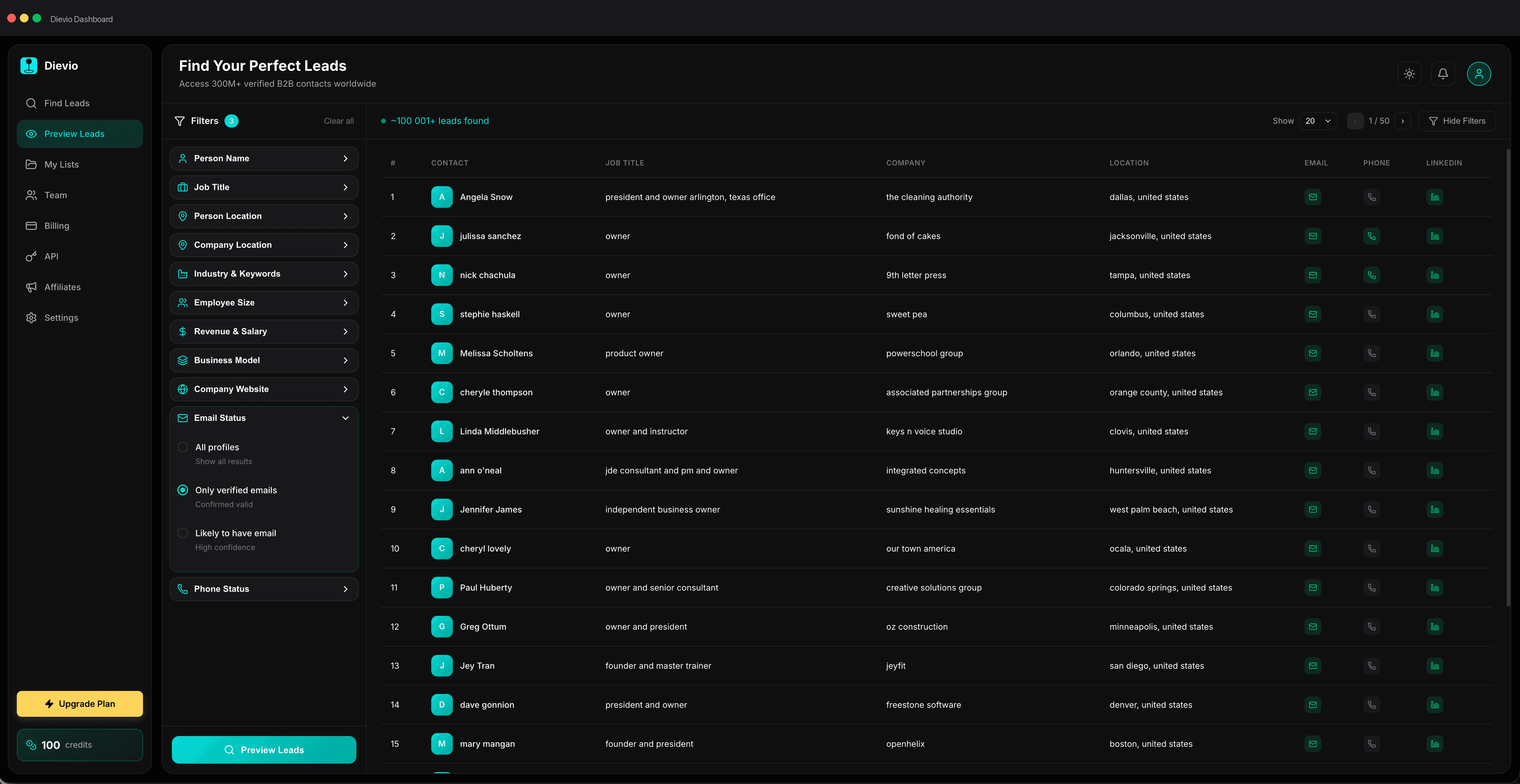
To build a foundation that supports high reply rates, you must treat data hygiene as a continuous process, not a one-time export. Before you ever send a campaign, run your list through a validation process. This includes checking for disposable email domains, verifying role-based emails (like info@ or sales@) which often have low engagement, and ensuring the contact person is still employed at the company.
For teams looking to integrate this into their workflow, a comprehensive outbound list hygiene checklist is essential. This checklist should cover everything from syntax validation to role-based filtering. Additionally, consider the longevity of your data. B2B data decays over time as employees change roles and companies restructure. Regularly refreshing your data ensures that the contacts you are reaching out to are still relevant to your ICP.
High-quality data also feeds into better targeting. When you have accurate data, you can segment more precisely. This leads directly into the next section: how to use that data to craft messages that actually get read.
Subject Line Optimization
The subject line is the gatekeeper. If it fails, the rest of your email is irrelevant. However, subject line optimization is not about clickbait; it is about signaling relevance and reducing friction. In B2B contexts, prospects are busy and skeptical. Your subject line must immediately answer the question: "Why am I opening this?"
Here are specific tactics for optimizing your subject lines to drive higher open rates, which correlate with reply rates:
- Length Matters: Keep subject lines between 40 and 50 characters. This ensures the full text is visible on mobile devices and most desktop clients without truncation.
- Curiosity vs. Value: Avoid generic subject lines like "Partnership Opportunity" or "Meeting Request." Instead, use specific value propositions or curiosity gaps. For example, "Quick question about [Company]'s Q4 strategy" performs better than "Let's talk."
- Personalization Tokens: Using the prospect's name is standard, but use it sparingly. Overusing it can look spammy. Instead, try referencing a specific company event or a mutual connection. "Loved your recent post on [Topic]" is often more effective than "Hi [Name]."
- Preview Text: Don't ignore the preview text. This is the snippet of text that appears next to the subject line in the inbox. Use it to complete the thought started in the subject line or to add a secondary hook.
Implementing an A/B testing framework is crucial. Test different subject line styles against each other. For instance, run a test comparing a direct value proposition against a curiosity-driven question. Over time, you will build a library of high-performing subject lines specific to your industry.
Email Body Tactics That Drive Replies
Once the prospect opens your email, the body copy determines whether they reply. The golden rule of B2B cold email is brevity. Long, rambling emails are often skimmed or ignored. Prospects are scanning for relevance, not reading novels.
Research suggests that shorter emails perform significantly better. Aim for a body length of 150 words or less. The goal is to get to the point quickly and ask for a specific action. A strong opener hook is essential to grab attention immediately. Avoid generic greetings like "I hope you are having a great week." Instead, start with a statement of value or a relevant observation.
Another critical factor is the Call to Action (CTA). Many salespeople make the mistake of asking for a "demo" or a "meeting" in the first email. This puts the prospect on the spot. Instead, frame the CTA as a low-friction request. Ask for 15 minutes of their time to discuss a specific topic. This feels less like a sales pitch and more like a consultation.
Additionally, avoid spam triggers. Words like "free," "guarantee," "cash," or excessive punctuation (!!!) can flag your email as spam. Keep the tone professional yet conversational. Ensure your signature includes a clear link to your website or a LinkedIn profile, but keep it clean.
For teams looking to refine their list building process to ensure these emails land in the right inboxes, building B2B lead lists that convert before the first email is the foundational step. This process ensures that the people you are emailing are actually decision-makers or influencers within the organization.
Personalization Beyond First Names
Personalization is the single most effective tactic for improving reply rates, but it goes far beyond inserting a first-name token into the greeting. Generic personalization is easily detected and often viewed as a negative signal. To truly optimize your outreach, you need contextual personalization.
According to best practices outlined by Salesforce guide to B2B lead generation, personalized outreach at scale requires data that goes beyond basic demographics. You need to know what is happening in the prospect's world right now.
Here is a framework for scaling personalization:
- Recent News: Did the company just raise funding? Did they launch a new product? Did they win an award? Mentioning this shows you have done your homework.
- Company Triggers: Are they hiring for a specific role? Are they expanding into a new region? These are signals of growth or pain points.
- Job Pain Points: What challenges does this role typically face? If you are emailing a CTO, talk about security or scalability. If you are emailing a CMO, talk about lead generation or brand awareness.
- Mutual Connections: If you have a mutual connection on LinkedIn, mention them. This adds a layer of trust and social proof.
Scaling this manually is difficult, but it is possible with the right tools. By leveraging ICP segmentation, you can ensure that your personalization is relevant to the specific persona you are targeting. For example, if you are targeting CTOs in the FinTech space, your personalization should reflect the unique regulatory and security challenges of that industry.
To implement this effectively, review your ICP segmentation framework for outbound teams. This framework helps you define who your ideal prospects are based on firmographics and technographics. Once you have defined your ICP, you can tailor your personalization tokens to match the specific needs of each segment.
Timing and Cadence Strategy
Timing is a subtle but powerful lever. Sending an email at 9:00 AM on a Tuesday might yield different results than sending it at 5:00 PM on a Friday. Understanding the rhythm of the B2B week can help you increase your open and reply rates.
Generally, mid-week days (Tuesday through Thursday) perform better for B2B outreach. Mondays are often spent catching up on the weekend, and Fridays are reserved for wrapping up the week. As for the time of day, morning sends (between 8:00 AM and 10:00 AM in the prospect's local timezone) tend to have higher open rates. However, avoid sending too early or too late, as these times can be ignored.
Time zones are a common pitfall. Always ensure your outreach is sent in the prospect's local time, not yours. If you are targeting a prospect in London while you are in New York, send the email when it is 9:00 AM in London, not 9:00 AM in New York.
Cadence is equally important. A single email rarely yields a reply. Most responses come from follow-ups. However, the timing of these follow-ups matters. Do not follow up too aggressively, as this can be perceived as spammy. A common strategy is to wait 3 to 5 days between follow-ups. If there is no response after the third touch, it is often best to pause and move on to avoid burning the lead.
Consistency is key. If you are sending emails sporadically, your sender reputation may suffer. Establish a consistent cadence that allows you to test and iterate without overwhelming your inbox or your prospects.
Multi-Channel Integration: Email, LinkedIn, Phone
Relying on email alone is a strategic weakness in today's noisy digital landscape. Single-channel outreach underperforms compared to multi-channel sequencing. Prospects are often overwhelmed by email and may ignore it entirely. Integrating LinkedIn and phone touches can significantly increase your visibility and response rates.
The logic behind multi-channel sequencing is simple: repetition through different mediums increases the likelihood of a response. If a prospect ignores your email, a LinkedIn connection request or a phone call can re-engage them. However, the sequence must be carefully managed to avoid being perceived as harassment.
According to LinkedIn Sales Solutions on the sales process, integrating LinkedIn touchpoints with email sequences is a proven method for improving engagement. Here is a typical workflow:
- Day 1: Send the initial cold email.
- Day 2: Send a LinkedIn connection request with a note referencing the email.
- Day 5: Follow up via email if no response.
- Day 7: Send a LinkedIn message referencing the email follow-up.
- Day 10: Attempt a phone call if the sequence is still open.
This approach ensures that you are present across multiple channels without being intrusive. It also allows you to gather more data. If a prospect engages with your LinkedIn message but not your email, you know they prefer social media communication. This insight can be used to tailor future outreach.
For teams looking to implement this, multi-channel outbound sequencing provides the tactical details on how to automate and manage these workflows. The key is to ensure that each touchpoint adds value and is not just a repeat of the previous message.
Reply Rate Measurement and Optimization Loop
Optimization is not a one-time event; it is a continuous loop. To improve your outbound reply rate optimization, you must track the right KPIs and use the data to iterate on your strategy. Vanity metrics like open rates are useful for deliverability checks, but reply rates are the ultimate measure of success.
When measuring your performance, look at the following metrics:
- Reply Rate: The percentage of emails that receive a response.
- Positive Reply Rate: The percentage of emails that result in a meeting booked or a clear interest in the solution.
- Unsubscribe Rate: A high unsubscribe rate indicates that your targeting or messaging is off.
- Open Rate: Use this to gauge subject line effectiveness and deliverability.
Use this data to identify patterns. If your reply rate is low but your open rate is high, the issue is likely with your body copy or CTA. If your open rate is low, the issue is likely with your subject lines or data quality. If your unsubscribe rate is high, your targeting is likely off.
Establish a feedback loop where you review your data weekly. Make small adjustments to your subject lines, body copy, or timing based on the data. Over time, these small improvements compound into significant gains in your overall reply rate.
For a deeper dive into the metrics that matter, refer to our guide on lead generation KPIs for outbound teams. This article outlines exactly what to measure and why, ensuring you are tracking the right signals for growth.
Conclusion: Start With the Foundation
Improving your outbound reply rate is a multifaceted challenge that requires attention to detail at every stage of the process. It starts with the foundation of data quality. Without accurate, verified contact information, no amount of copy optimization will yield results. From there, you must optimize your subject lines and body copy to ensure relevance and clarity.
Personalization is the differentiator between a generic blast and a high-converting campaign. By moving beyond first names and incorporating contextual triggers, you signal to the prospect that you understand their specific situation. Finally, timing and multi-channel integration ensure that your message reaches them at the right moment through the right medium.
However, none of these tactics work in a vacuum. They rely on a robust infrastructure of lead data. If you are struggling to find the right contacts or if your data is decaying, it is time to invest in a better data foundation. High-quality data is the first and most impactful optimization lever you can pull.
Ready to build a list that supports higher reply rates? Build High-Quality B2B Lead Lists with our advanced search tools. Access 20+ filters to build ICP-targeted lists with verified contact data that supports higher reply rates. Start your optimization journey today.