Dievio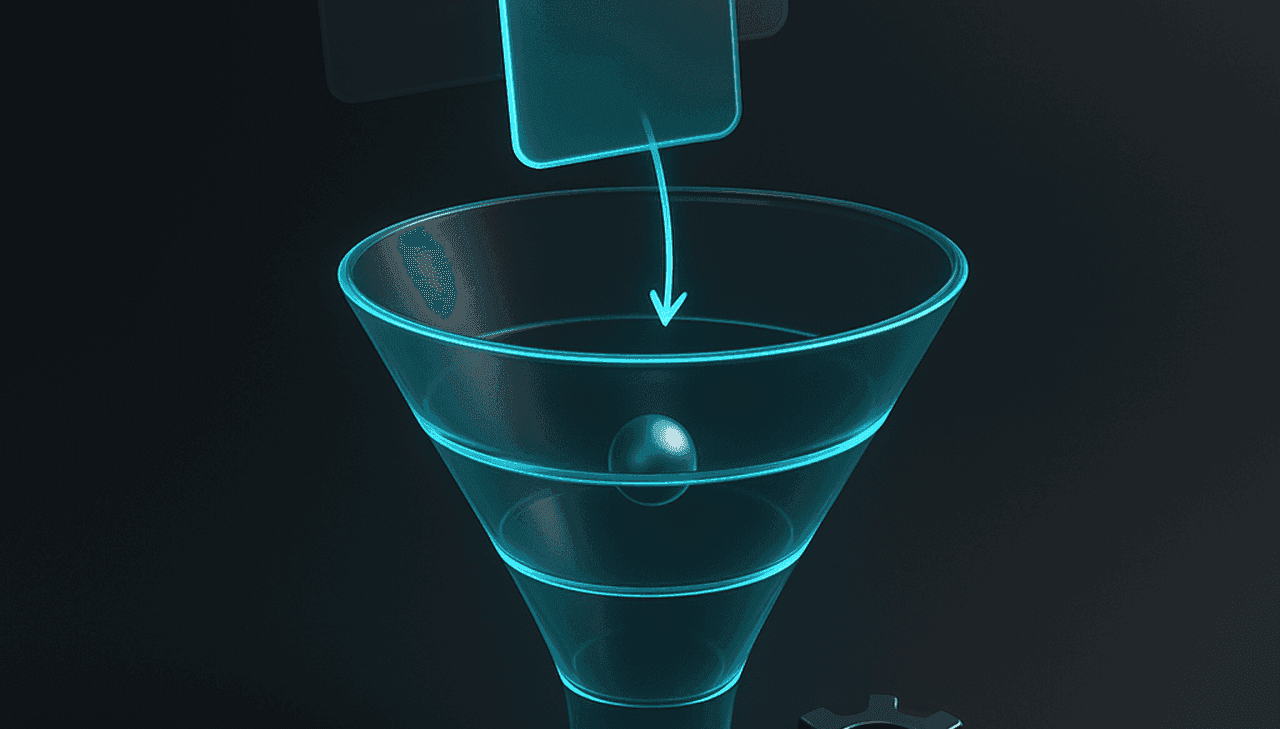
Introduction: The Startup Lead Generation Trap
Every week I talk to founders who believe they need a five-person SDR team and a six-figure tool stack to generate qualified B2B pipeline. They've read the enterprise playbooks, watched the SaaS growth webinars, and come away convinced that volume is the only path to revenue. Then they burn through a month of budget on a data subscription, blast 10,000 emails to a list they never validated, and land exactly zero meetings.
That's not lead generation. That's a donation to the data industry.
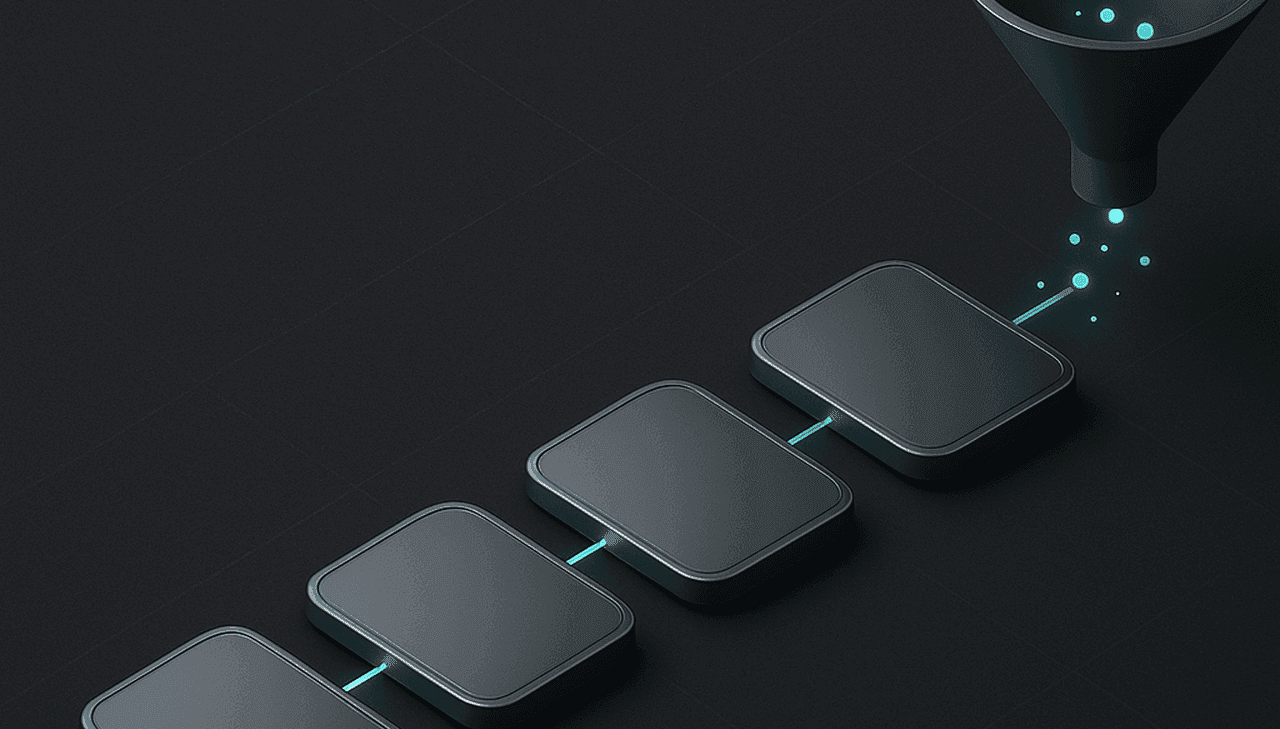
I've built prospecting systems for startups with two people, one person, and even solo founders juggling product development. The difference between companies that generate pipeline and companies that spin their wheels isn't headcount or budget—it's process. A lean, repeatable workflow that starts with a tight ICP segmentation framework and ends with a tracked meeting book can run on a few hundred dollars a month and five hours a week per person.
This guide walks you through exactly how to build that system. No fluff, no vendor pitches, just the workflow that has worked for dozens of early-stage teams I've advised. If you have one person and a spreadsheet, you can generate qualified leads. Let me show you how.
1. Why Most Startup Lead Generation Fails
Startups fail at outbound for the same three reasons every time. They copy enterprise playbooks designed for teams of twenty. They chase volume over quality because it feels productive. And they skip the foundational step of defining who they should actually talk to.
When I audit a startup's failed outbound attempt, the pattern is almost identical: a broad list of 5,000 contacts scraped from some database, a generic template that mentions "innovative solutions," and a single follow-up after three days. That's not a system. That's a hope-based strategy.
Startup teams selling into founder-led companies can start with a founder email list and use founder email lookup when they already know the company domain.
Here's what realistic looks like for an early-stage team of one or two people:
- 50-100 highly targeted prospects per week, not 5,000 random names
- 5-10 hours of actual outreach time, not 40 hours of list building
- A 2-3% reply rate that turns into 1-2 qualified meetings per week
- Consistent pipeline of 5-10 active opportunities per month
That's enough to validate a product, land your first ten customers, and build a repeatable motion before you ever hire a full SDR. The rest of this guide shows you how to get there.
2. Define Your ICP Before Touching Any Tool
The highest-leverage activity in any outbound operation is defining your Ideal Customer Profile. It's also the one most startups skip. They open a tool like Dievio's lead search, throw in a job title and a company size, and call it a day. That's how you waste 80% of your prospecting effort on people who will never buy.
A proper ICP for an early-stage startup includes four layers:
Firmographic Fit
- Company size: Revenue range, employee count, funding stage. Be specific. "50-200 employees" is better than "mid-market."
- Industry vertical: NAICS codes or industry tags. If you sell to SaaS companies, don't waste time on manufacturing.
- Tech stack: Do they use tools that create a need for your product? A CRM integration play works best if your prospect already uses Salesforce or HubSpot.
Behavioral Signals
- Recent funding: A Series A often means new initiatives and budget.
- Job changes: A VP who just started at a new company is actively looking for solutions. Tools like job change detection can catch these moves.
- Content engagement: Downloaded whitepapers, visited pricing pages, attended webinars.
Authority and Budget
- Decision-maker vs. influencer: In early-stage deals, you often need to reach the founder, CEO, or head of department—not a junior analyst without spend authority.
- Budget ownership: Does this person control a P&L? Can they sign a contract under $10k without additional approval?
Fit with Your Solution
- Pain alignment: Does your product solve a known pain for this persona? For example, if you sell a revenue intelligence tool, your ICP is VPs of Sales in companies over 50 employees who use Salesforce and have at least 5 reps.
Once you have that ICP documented, use it to build your first list. I recommend starting with the lead preview tool to estimate coverage before you spend any credits or budget. A good ICP should return at least 500 prospective accounts. If it returns fewer than 100, your criteria are too narrow. If it returns 50,000, you need to tighten.
My rule of thumb: spend three hours on ICP definition before you build your first list. It will save you thirty hours of wasted outreach later.
3. Lean Channel Selection Matrix
Startups have limited time and budget, so you need to pick one primary channel and execute it well before layering on others. The table below compares the most common channels for early-stage B2B lead generation across cost, time investment, and expected conversion rates.
| Channel | Monthly Cost (Solo Founder) | Weekly Time Investment | Reply Rate Range | Best For |
|---|---|---|---|---|
| Outbound email (personalized) | $100-$300 (tooling + data) | 5-10 hours | 2-5% | Most ICPs, especially SaaS and tech |
| Cold calling | $50-$150 (phone data + dialer) | 8-15 hours | 5-10% connect-to-conversation | High-velocity, transactional deals |
| LinkedIn outreach | $80 (Sales Navigator) + $0 | 3-5 hours | 10-20% acceptance rate, 1-3% reply | Network-driven, consultative sales |
| Events/conferences | $500-$5,000 (ticket + travel) | Full week per event | 10-30% meeting rate from attendees | High-ticket, relationship-heavy deals |
| Content-led (blogs, LinkedIn posts) | $0-$200 (writing tools) | 10-15 hours | 0.5-2% inbound conversion | Brand building, long-term pipeline |
| Partner referrals | $0 (revenue share) | 2-5 hours | 20-40% close rate | Existing network, niche markets |
For most early-stage startups, I recommend starting with outbound email. It's the most scalable with limited headcount, has the lowest data cost, and gives you the fastest feedback loop on messaging and ICP fit. According to Salesforce's guide to B2B lead generation, email remains the backbone of most outbound programs because of its repeatable structure.
Only move to a second channel once you're consistently booking 2-3 meetings per week from your primary. Then add LinkedIn as a complement—not a replacement.
4. Minimum Viable Tool Stack for Startup Outbound
You do not need a ten-tool stack. Most of the budget should go to data accuracy, not software features. Here's the minimum viable stack for a one-person prospecting operation:
Must-Have Tools
- Lead search: Dievio for building targeted lists with 20+ filters—industry, company size, location, tech stack, funding, etc. Start with the free credits to validate your ICP.
- Email finding/enrichment: Use LinkedIn Lookup to convert LinkedIn profile URLs into verified emails and optional phone numbers. Accuracy matters more than volume; 90%+ verification rate beats a 60% guess rate.
- Sequencing tool: A simple tool like Lemlist or Mailshake. Budget option: use a spreadsheet and manual send with a CRM like Pipedrive. Premium option: Outreach or SalesLoft, but only once you have an SDR.
- CRM: HubSpot free tier or Pipedrive ($12/month). Track every conversation, follow-up, and meeting. No one-person team should run outbound without a CRM.
Nice-to-Have but Not Essential
- LinkedIn Sales Navigator ($80/month) for advanced filtering and alerts.
- Apollo or Lusha for supplemental data—but only after you've exhausted your primary data source's coverage.
- A/B testing tool like Mailmeteor for subject line and copy variant testing.
Total monthly cost for a solo founder: $200-$400. If you can't afford that, you can start with just a lead search tool and a manual spreadsheet. But invest early in data quality—it's the difference between a 1% reply rate and a 4% reply rate. For more on integrating these tools into a smooth workflow, check my guide on prospecting tool stack for lean sales teams.
5. Building the Prospecting Workflow
A prospecting workflow is a repeatable sequence of steps from ICP definition to meeting booked. When you have one person, every step must be time-boxed and documented. Here's the workflow I use and teach:
Step 1: List Building (2 hours per week)
- Use your ICP criteria to pull a fresh list of 200-300 prospects. Apply filters for recency—only include leads that have been in role for less than 90 days (they're more likely to engage). I explain how to do this effectively in my guide on building B2B lead lists that convert before the first email.
- Validate the list against your ICP checklist. Remove anyone who doesn't fit all four layers.
- Apply outbound list hygiene checklist before exporting: remove duplicates, check for role tags, verify email format, exclude competitors.
Step 2: Enrichment and Scoring (1 hour per week)
- Enrich with verified emails and phone numbers if you plan to call.
- Score each lead on a simple A-B-C scale: A = perfect ICP fit with buying signal (recent funding, new role); B = good ICP fit; C = marginal fit. Only reach out to A and B leads.
- Use LinkedIn Sales Solutions' lead scoring guidelines as a reference for behavioral signals.
Step 3: Sequencing and Outreach (3 hours per week)
- Write a 4-step email sequence: Step 1 - value prop + social proof; Step 2 - case study or testimonial; Step 3 - direct ask for a specific time; Step 4 - break-up email.
- Send 25-50 personalized emails per batch over the week. Personalization means referencing their recent content, a mutual connection, or a specific pain point.
- Use a CRM to track opens and replies. Manually log every reply into the CRM with a tag for specific interest or objection.
Step 4: Follow-Up and Meeting Booking (2 hours per week)
- Respond to every reply within 4 hours. That means checking email at least twice a day during the week.
- Qualify the lead: ask if they have budget, timeline, and authority. Use a simple BANT framework.
- Book a 30-minute discovery call. Use a calendar link tool like Calendly.
- After the meeting, log notes and assign a lead score. If they're not a fit, move them to a nurture sequence.
Time Allocation Summary
- Tuesday-Wednesday: list building and enrichment (3 hours)
- Thursday-Friday: send initial emails (2 hours)
- Monday: follow-up on replies from the weekend (1 hour)
- Throughout the week: respond to replies within 4 hours (1-2 hours total)
Total: 7-8 hours per week. That's doable for a founder who also works on product. The key is discipline—follow the workflow even when it feels slow. Consistency beats intensity.
6. List Building That Doesn't Waste Budget
Bad list quality is the #1 reason startup outbound fails. You send emails to a data vendor's "verified" list, and 40% bounce because the emails are stale, fake, or misattributed. Your domain reputation tanks, and you lose weeks recovering.
For additional context, see HubSpot on sales prospecting.
Here's how to build lists that actually convert:
Use Verified Data Sources
Don't scrape from free databases or random CSV files. Use a tool like Dievio that provides verified contact data with company and role accuracy. Before exporting, check the preview to see if the contacts match your ICP. If the "head of sales" at 50-person company is actually a "sales development rep," move on.
Apply Hygiene Checks Before Export
I built an outbound list hygiene checklist that I run on every list before it touches a sequencing tool. The checklist includes:
- Remove duplicate email addresses.
- Remove roles that don't match your persona (e.g., "intern" if you target "VP").
- Remove companies that are clearly out of industry or too large.
- Verify email format is consistent: first.last@company.com.
- Run a sample batch through a deliverability tool to catch bounces.
Prioritize Accuracy Over Coverage
A list of 200 clean contacts with 95% validation is worth ten times more than 2,000 contacts with 60% validation. The clean list will generate higher reply rates, better domain health, and less wasted time. Start with a small, clean list and expand only when you have proof that your ICP and messaging work.
You can validate your list by checking against LinkedIn profile URLs. Use LinkedIn Lookup to enrich a sample and see what percentage return verified emails. If it's below 80%, your list source needs work.
7. Metrics That Actually Matter for Early-Stage Teams
I've seen founders obsess over open rates and then celebrate when they hit 60% opens. Meanwhile, their reply rate is 0.2%. Open rates are vanity. The only metrics that drive action are engagement and conversion.
Metrics to Track (and Their Baselines)
- Reply rate: 2-5% is healthy for cold outbound. Below 1% means your ICP or messaging is wrong.
- Meeting conversion: Percentage of replies that turn into a booked meeting. Aim for 20-30%.
- Cost per meeting: Total monthly tool spend divided by number of meetings booked. Under $100/meeting is excellent at early stage.
- Sequence completion rate: Percentage of prospects who receive your full 4-step sequence without unsubscribing or bouncing. Above 90% means your list hygiene is solid.
- Sales accepted leads (SALs): Meetings that pass a basic qualification check. Track this to know if your outreach is hitting the right persona.
Vanity Metrics to Ignore
- Open rates (email clients now block tracking pixels, making open rates unreliable).
- Click-through rates on links (most B2B buyers will not click a link in cold email).
- Total emails sent (more volume ≠ more meetings).
- Response rate that includes out-of-office autoreplies (those aren't replies).
If you want to get more scientific about prediction, I discuss how to build data-driven forecasting in my article on reply prediction models for B2B outbound. The core principle: measure what matters, then iterate on the piece that has the biggest leverage. Usually, improving ICP definition has a 10x impact over improving subject lines.
For more on tying everything to ROI, read B2B lead generation ROI.
8. Scaling From One to Two People
When do you hire your first SDR? The answer isn't "when you can afford it." It's "when you have a proven, repeatable process that someone else can execute."
Signs You're Ready to Hire an SDR
- You are consistently booking 3+ meetings per week for at least a month.
- Your outbound workflow is documented—you could hand a step-by-step guide to a new person and they could start within a day.
- You have enough capital to pay an SDR a base salary + commission for 6 months before they ramp.
- Your pipeline is full enough that you, the founder, are spending more time on discovery calls and demos than on prospecting.
What to Automate vs. Human-Touch
When you hire your first SDR, you should already have the repetitive parts automated: list building, enrichment, sequencing, and follow-up reminders. The SDR's job becomes high-touch personalization at scale—writing custom intros, handling objections, and building relationships via phone and LinkedIn.
Use Dievio's API to set up automated list pulls and enrichment if you have technical chops. Otherwise, keep the workflow manual but documented. The goal is to remove the founder from the prospecting cycle so you can focus on closing.
Handoff Workflow
Define a clear criteria for when a lead moves from SDR to founder (or AE). I recommend using the BANT qualification framework. If a prospect has budget, authority, need, and a timeline within 90 days, they become a qualified lead. Document the handoff process: the SDR schedules a discovery call, sends context notes via CRM, and then books a founder demo. My guide on SDR-to-AE handoff workflows covers this in depth.
Avoid the trap of hiring a second SDR before the first one has fully ramped. It takes 3-4 months for an SDR to reach full productivity. Hire the second only when the first is consistently exceeding quota.
9. Common Startup Lead Generation Mistakes
Here's a checklist of mistakes I see repeatedly. Run through it with your current workflow and fix any that apply.
| Mistake | Why It Hurts | Quick Fix |
|---|---|---|
| Buying bad data from cheap providers | Bounces wreck domain reputation, 0.5% reply rate | Use a verified data source like Dievio with 90%+ accuracy |
| No follow-up sequences | 70% of replies come after follow-up 3 or 4 | Build a 4-step sequence with 3-5 day gaps |
| Targeting too broad | Low reply rates, wasted tool budget | Define a tight ICP with firmographic + behavioral criteria |
| Ignoring deliverability | Emails go to spam, no replies | Warm up new domains, use custom tracking domain, avoid spam words |
| Not tracking ROI | Can't prove outbound works, lose budget | Track cost per meeting and revenue influenced |
| Sending generic templates | Prospects ignore because it's obviously mass | Personalize one sentence per email about their recent activity |
| No list hygiene | 30% bounce rate, penalties from email providers | Run hygiene checks before every export |
Fix these, and you'll see your reply rate double within two weeks.
10. Quick-Start Action Plan
You don't need to read this whole article and then wait to start. Here's a concrete 30-day plan to build a working outbound system.
Day 1
- Spend 3 hours defining your ICP using the four-layer framework above.
- Document one-sentence value prop for each persona.
- Set up a free CRM (HubSpot or Pipedrive).
- Check lead coverage on Dievio preview to see if your ICP has enough prospects.
Week 1
- Build your first 200-person list using your ICP filters.
- Enrich the list with verified emails via LinkedIn Lookup.
- Run hygiene checks (remove duplicates, invalid roles, etc.).
- Write a 4-step email sequence and set up your sequencing tool.
- Send first batch of 25 highly personalized emails.
Week 2
- Follow up on replies. Book meetings for the following week.
- Send second batch of 25 emails, incorporating learnings from first batch.
- Analyze reply rate. If below 2%, revise ICP or messaging.
- Use the A/B testing approach to try two subject lines.
Week 3-4
- Scale to 50-75 emails per week if reply rate is healthy.
- Track meetings booked, cost per meeting, and conversion rate.
- Refine your ICP based on which leads actually take meetings.
- Document the entire workflow for future hires.
By the end of 30 days, you should have a repeatable process that generates 4-8 qualified meetings per month, with a clear understanding of what works and what doesn't. From there, reinvest your learning into better data and tighter targeting.
And if you need to start building lists today, head over to Dievio and use the 20+ filters to find your perfect prospects. Start small, stay disciplined, and watch your pipeline grow.
Related workflow: ICP Segmentation Framework for Outbound Teams.
Related workflow: How to Build B2B Lead Lists That Convert Before the First Email.
Build Your First Outbound List to validate the segment before you commit to full outreach.